Reforestation Initiative
Commitment
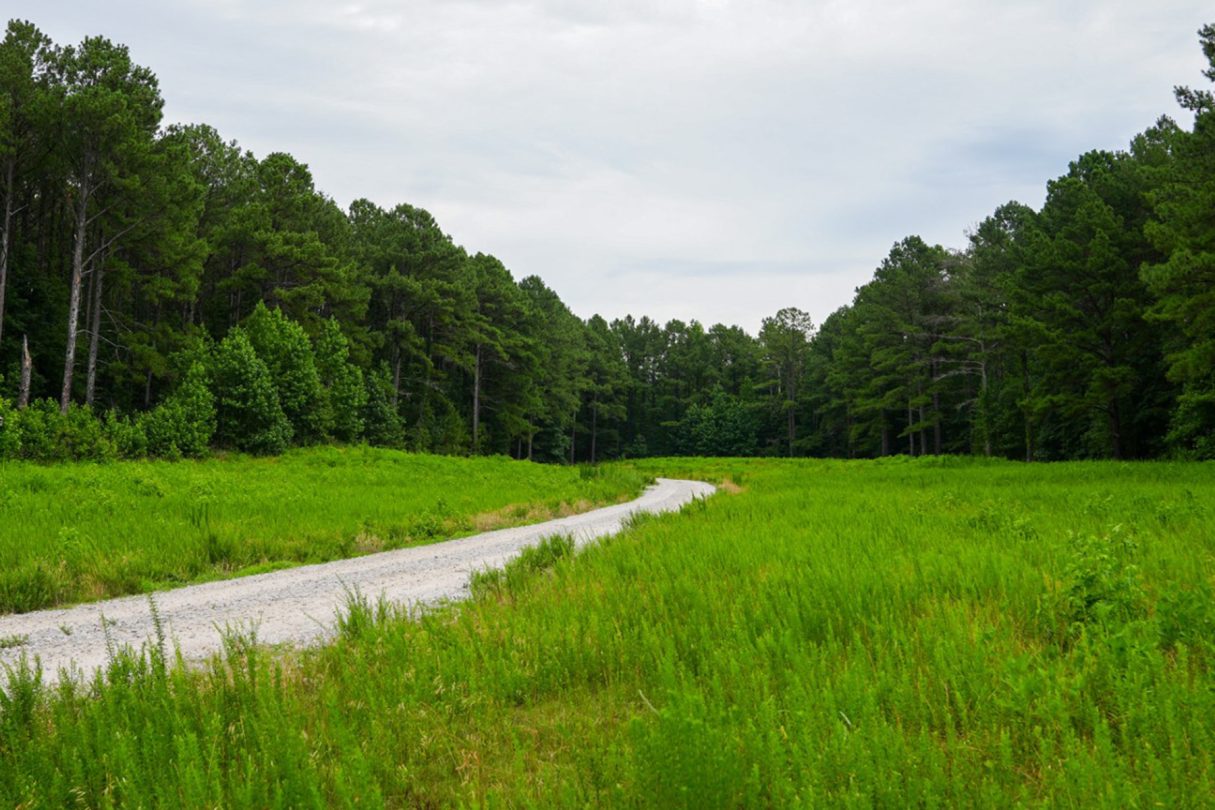
Campbell University is committed to being a responsible steward of its property along the Cape Fear River. Following a comprehensive evaluation by forestry professionals, the university has initiated a long-term strategic forest management and reforestation plan designed to improve the health, sustainability, and future vitality of the land. Once agricultural fields, the property has received limited forest management in the last few decades, resulting in overcrowded stands of trees, declining forest health, and areas where trees are stressed, diseased, or dying. This project provides an opportunity to restore the land, improve forest conditions, and establish a healthy new generation of trees that will benefit the university community for decades to come.
The plan reflects a thoughtful balance of land stewardship, community responsibility, and educational opportunity. While portions of the landscape will change during the reforestation process, this work represents a long-term investment in the health of the property. Simply put, responsible management and restoration is the right thing to do for the property and for the Campbell community it serves.
About the Initiative
1. This is a reforestation project, not a development project.
The reforestation initiative is not a development project, but rather the first phase of a long-term forest management and restoration plan that will guide the property over the next 20 to 30 years. The project is designed to improve the health of the land, establish a new generation of healthy trees, protect the Cape Fear River corridor, enhance wildlife habitat, and create expanded opportunities for teaching, research, and outdoor learning. Through this effort, Campbell University is reaffirming its commitment to responsible stewardship of one of the region’s most significant natural resources, ensuring that the property remains a thriving educational asset for future generations.
2. The existing forest has been deemed unhealthy and requires intervention.
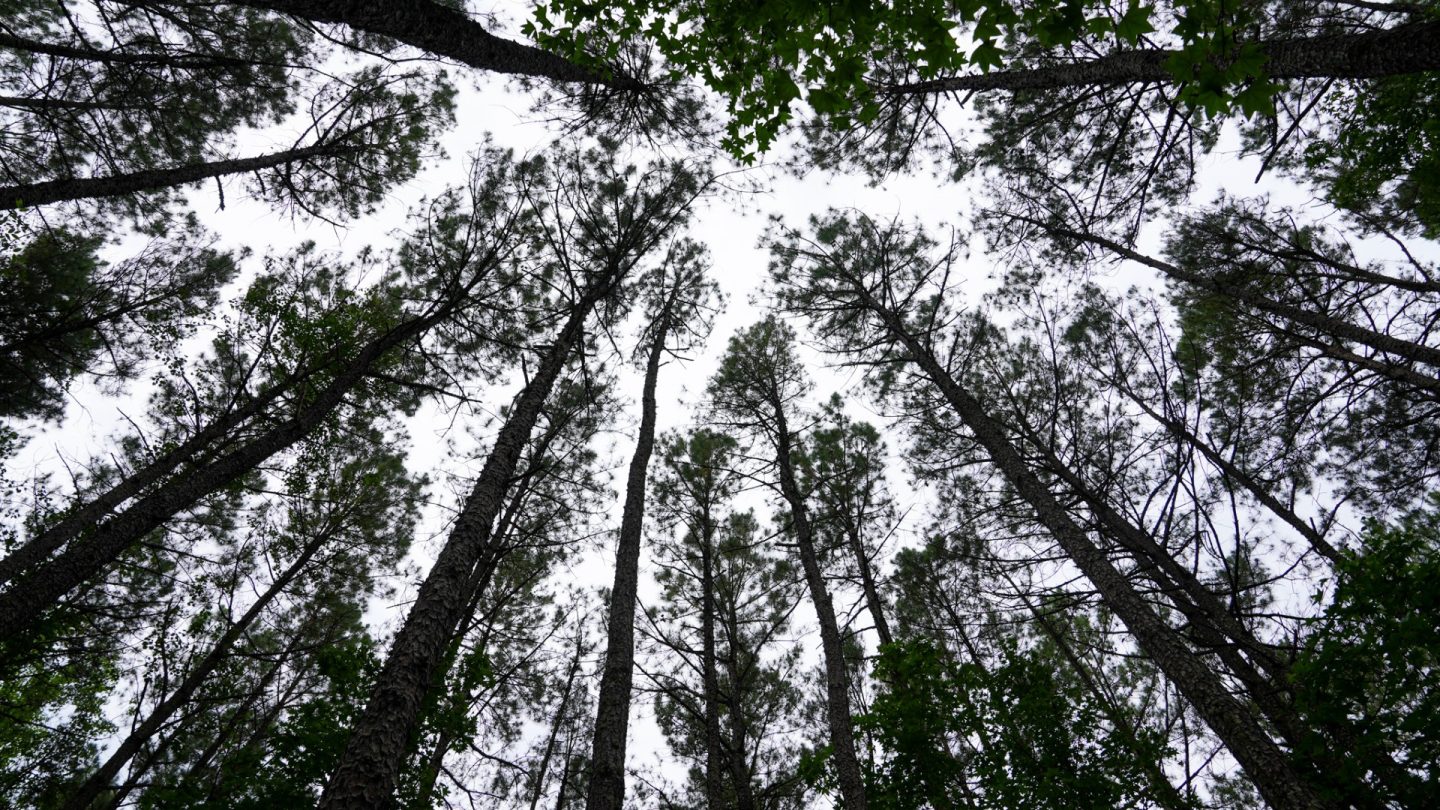
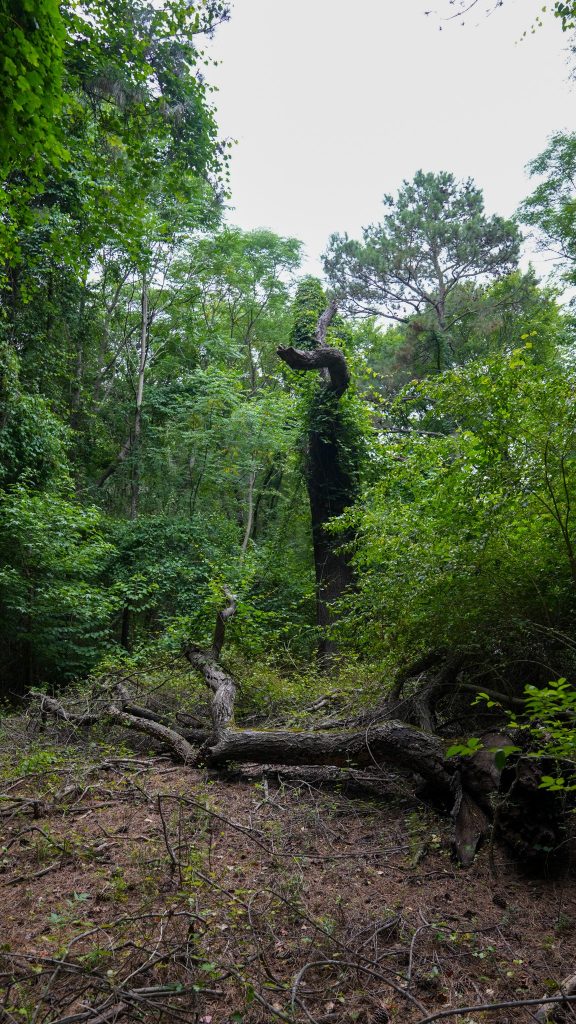
A key reason for this project is that much of the existing forest is no longer healthy. The majority of the trees on the property are naturally seeded loblolly pines that grew on former farmland approximately 30 years ago. Over time, the forest became overcrowded, causing trees to compete for sunlight, water, and nutrients. As a result, many trees are stressed, declining in health, or beginning to die. After evaluating the property, forestry experts determined that active management and reforestation represent the most responsible path forward. The project will not only restore the long-term health of the forest but also improve wildlife habitat by creating a more diverse landscape with greater food resources.
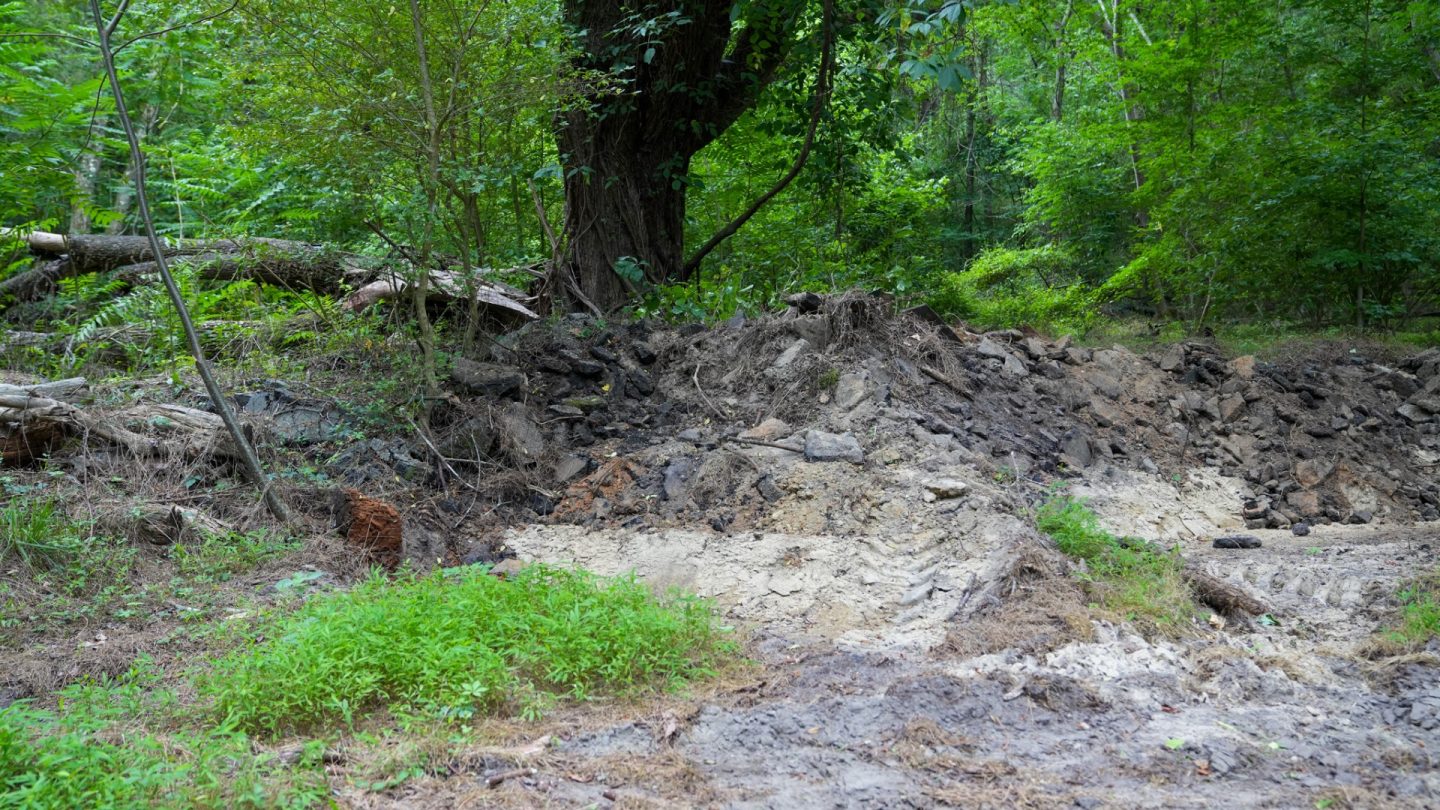
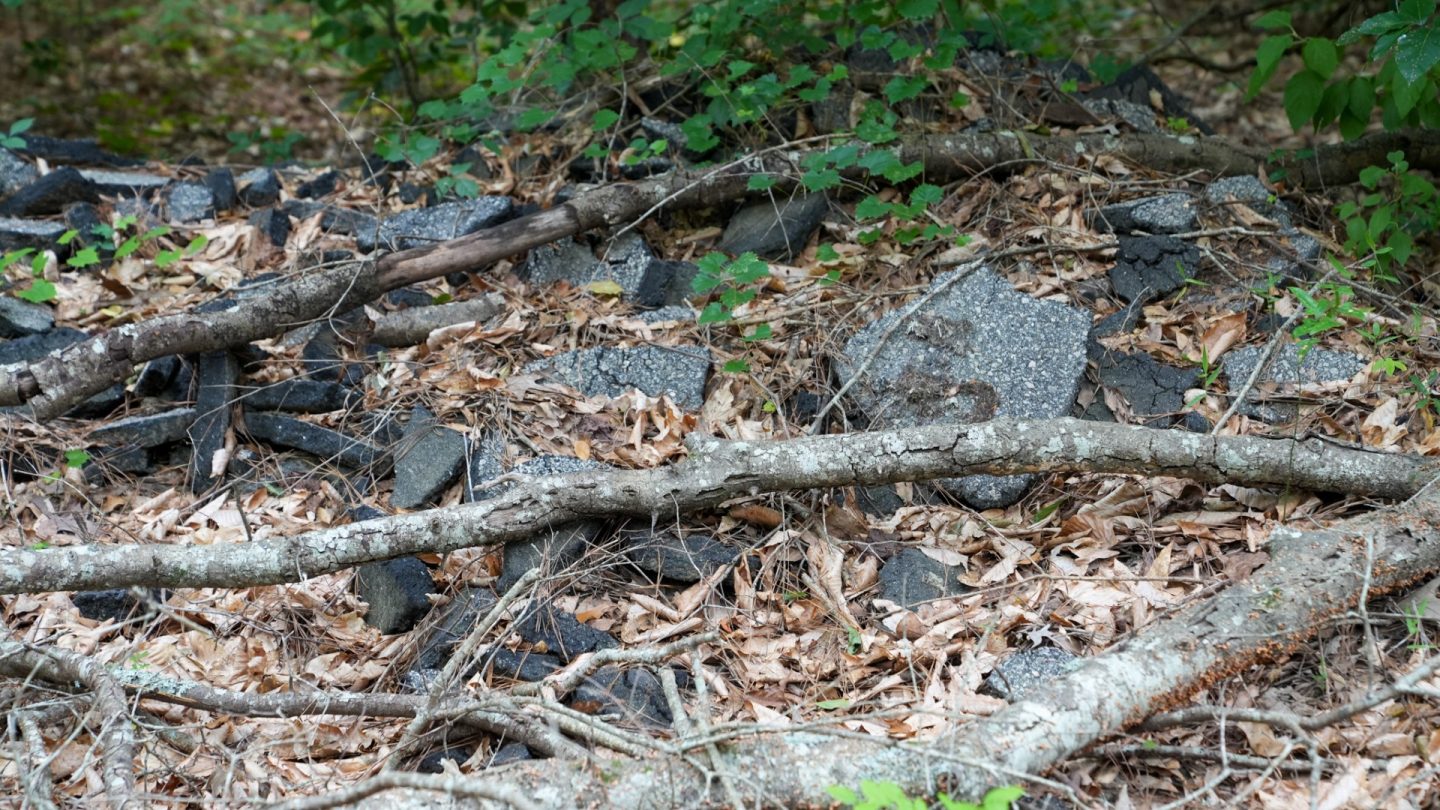
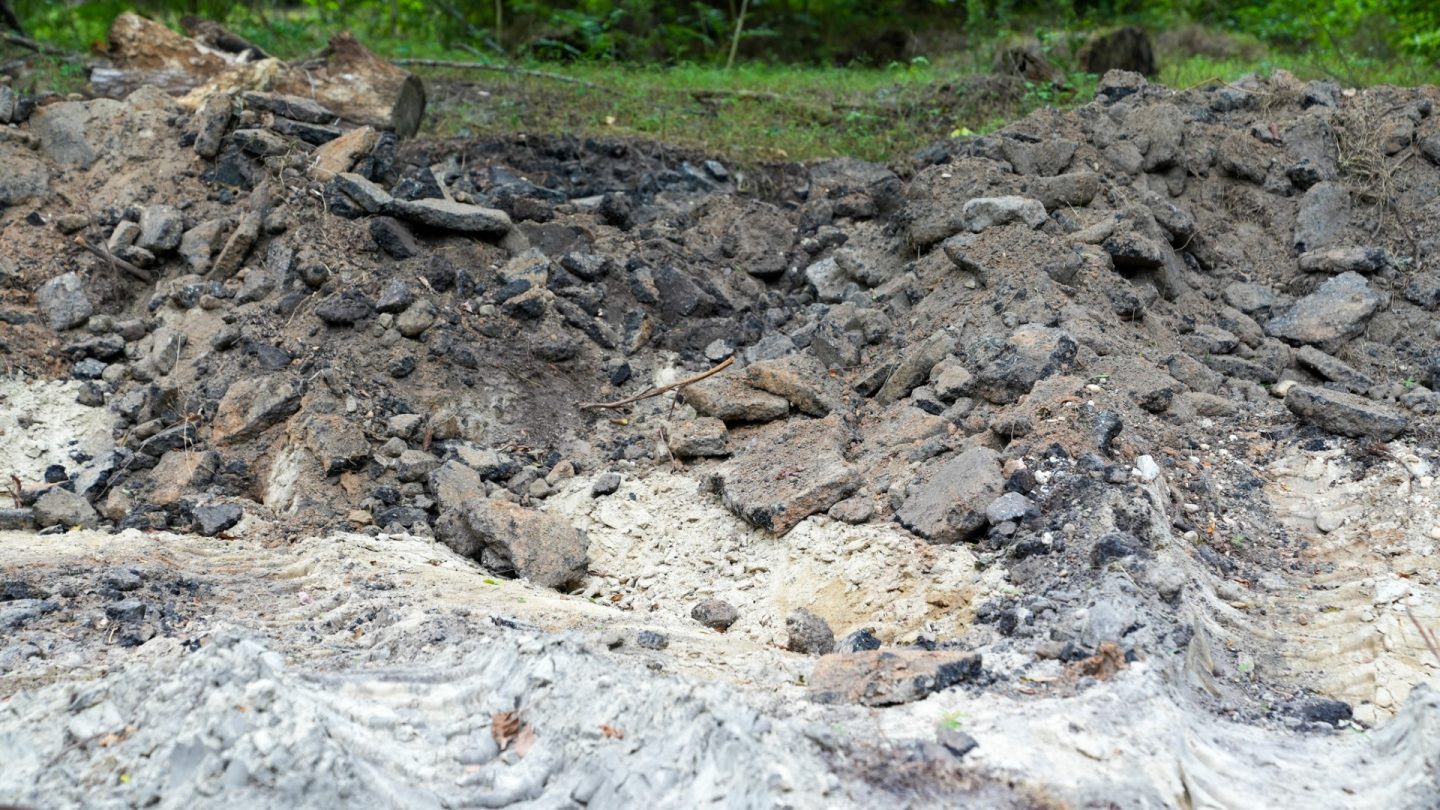
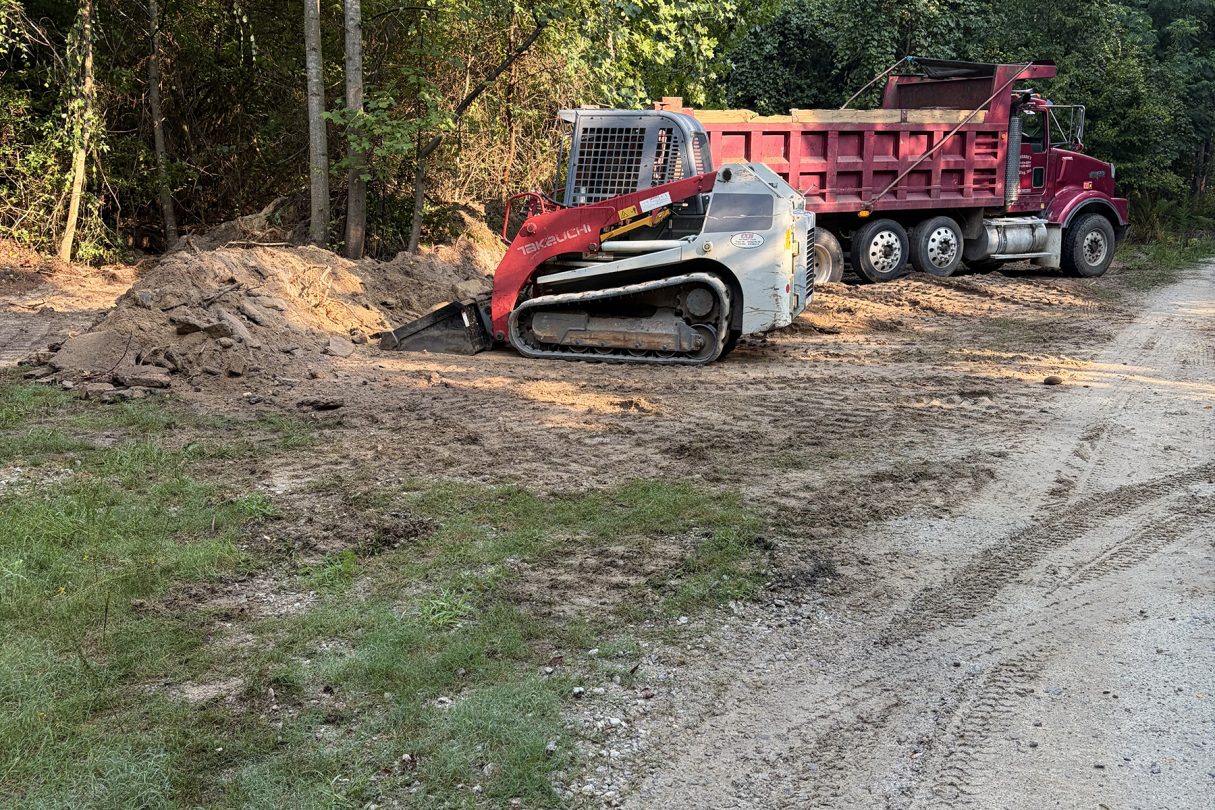
Several tons of asphalt previously left on the property must also be promptly removed to minimize soil and water contamination.
3. Reforestation will create a healthier, more diverse ecosystem.
The reforestation effort will create a healthier and more diverse ecosystem for future generations. As part of the project, existing pine stands will be harvested and replanted with longleaf pines and other appropriate native species better suited for long-term forest health. This process will create a variety of habitats that support a wider range of wildlife, including species that are not currently present on the property.
4. Water quality and environmental protection are priorities.
Protecting water quality and preserving sensitive natural areas are central priorities of the reforestation plan. Special care is being taken to safeguard the Cape Fear River corridor through the use of protected forested buffers that will remain intact throughout the project. Environmentally sensitive areas, including highly erodible slopes and ecologically valuable hardwood stands, will not be harvested and will continue to provide important habitat and natural filtration for the watershed.
5. Community and neighboring properties are being protected.
Campbell University is committed to carrying out this project in a way that respects neighboring properties and the broader community. Forested buffers will remain in place between the project area and nearby neighborhoods, including Keith Hills, helping to preserve privacy and maintain natural screening. Existing access roads will remain open, and the project has been carefully designed to minimize impacts on surrounding properties. As the new forest becomes established and matures, these buffers will continue to strengthen, providing enhanced visual screening and long-term environmental benefits for both the property and its neighbors.
6. The Cape Fear River Tract will continue serving as an outdoor classroom.
Campbell University’s Cape Fear River property has long served as an outdoor classroom and research site for Campbell faculty and students, and every effort will be made to ensure that these educational opportunities continue throughout the reforestation process and beyond. The property will remain a living laboratory where students can study ecology, conservation, environmental science, public health, and other disciplines through hands-on learning experiences. The project may create new opportunities for research and engagement, allowing students and faculty to participate in activities such as environmental monitoring, habitat assessment, water quality studies, and forest regeneration research.
7. The project also preserves important historical artifacts.
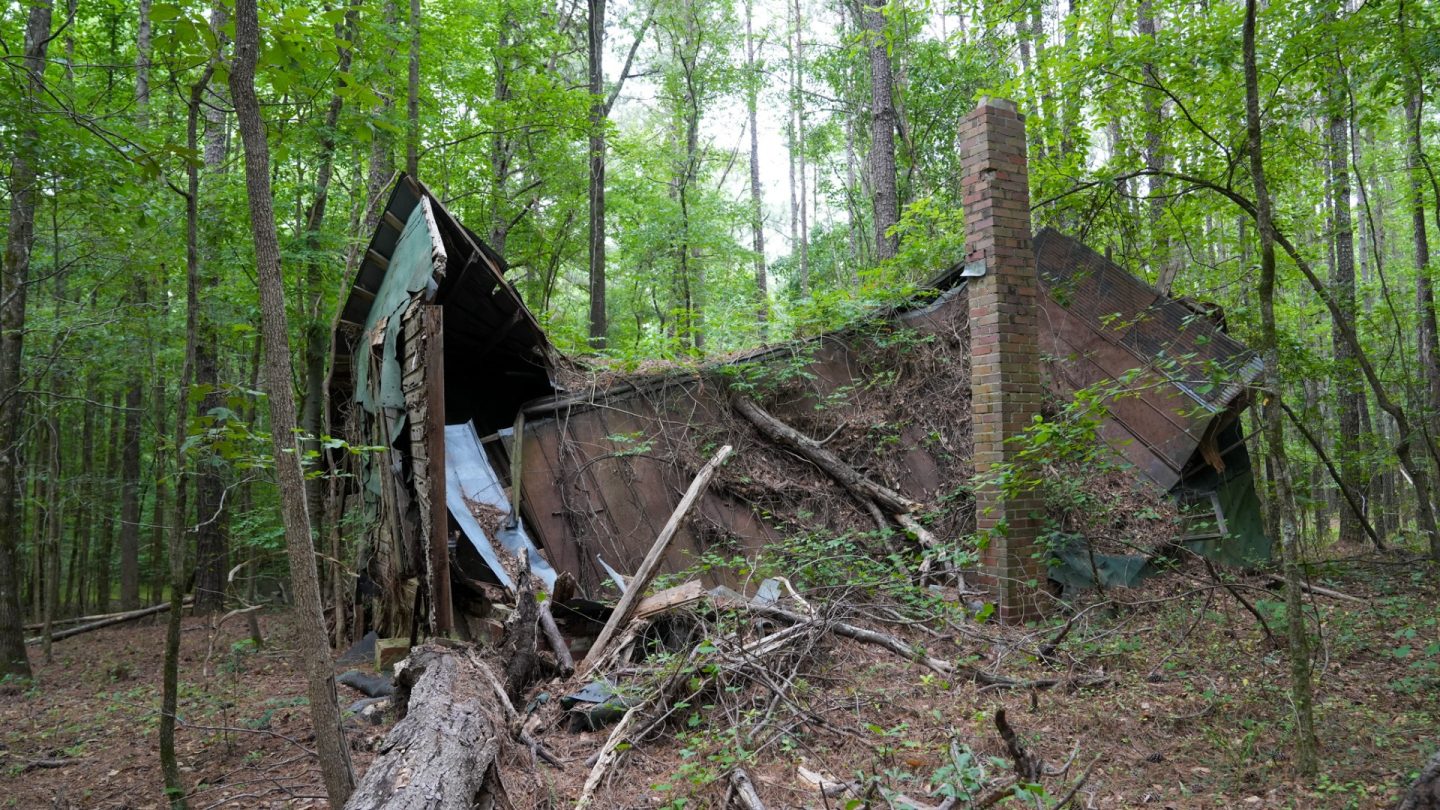
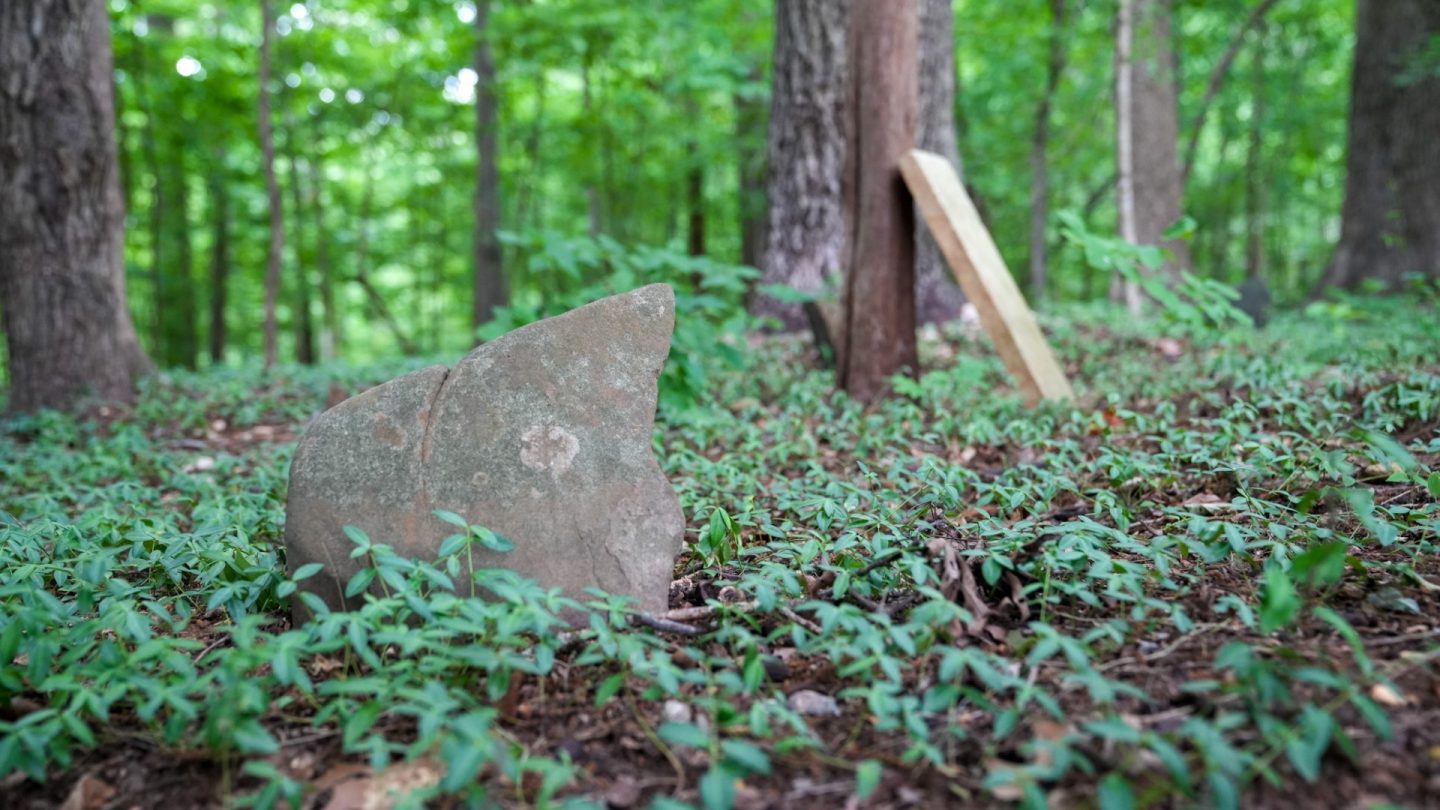
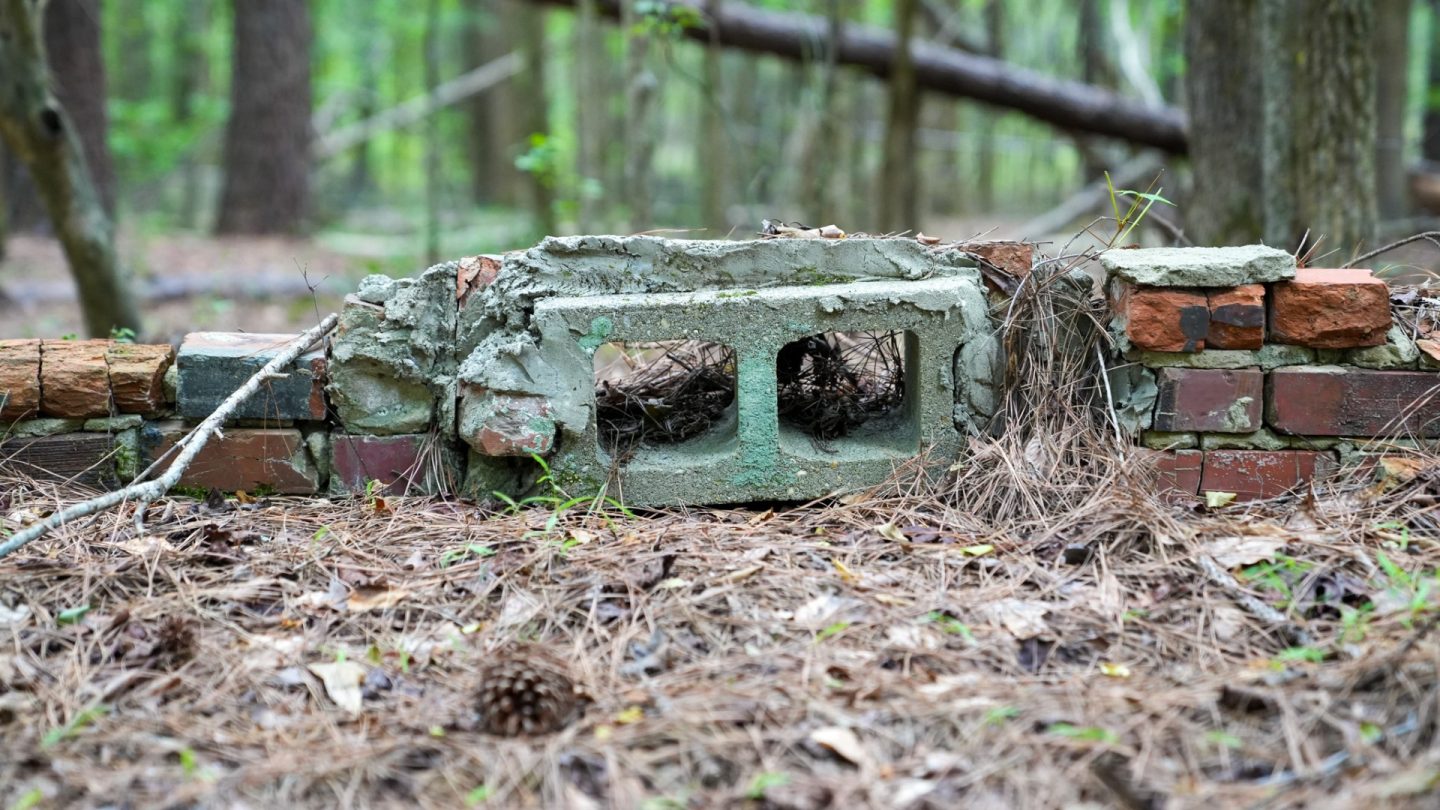
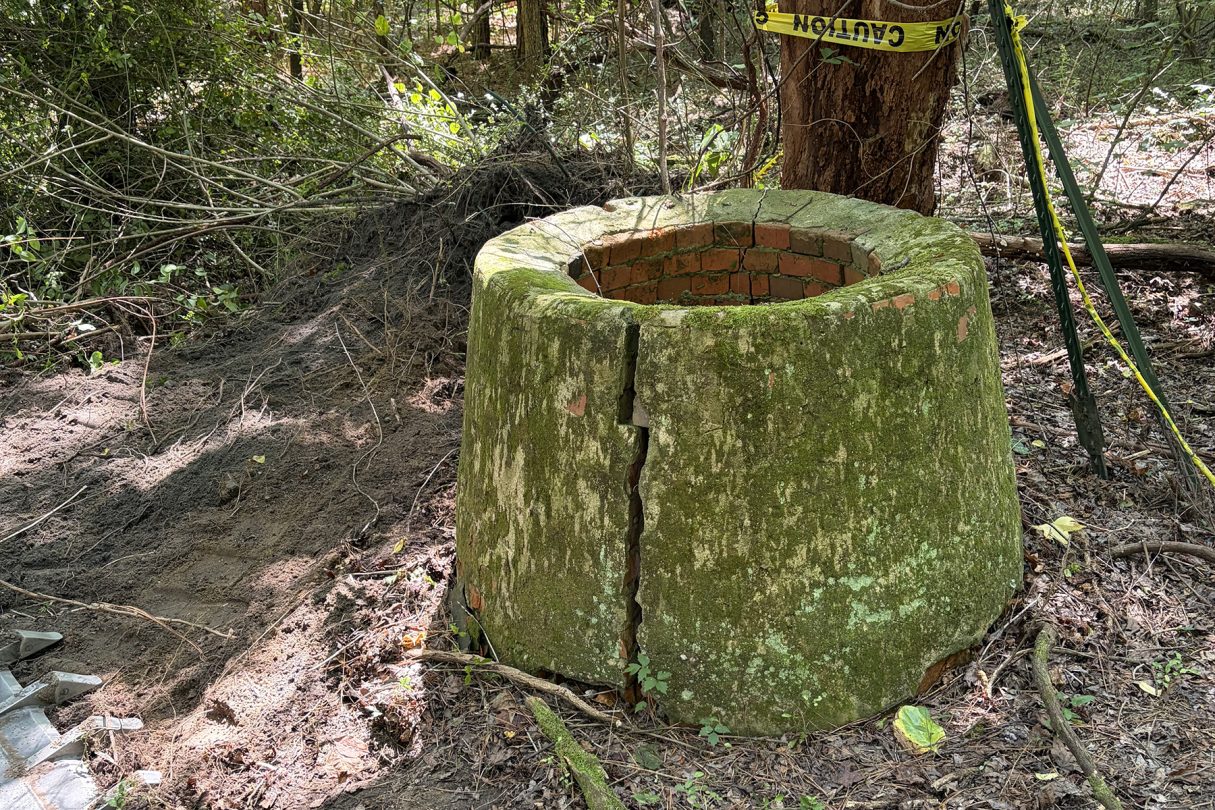
Campbell University’s Cape River property includes remnants of historic homesteads, agricultural artifacts that reflect the area’s farming heritage, historic wells, and a cemetery believed to contain the graves of enslaved individuals. As part of the reforestation initiative, the university will take deliberate steps to protect some of these significant sites, including installing permanent fencing around the cemetery, leaving the area undisturbed, and working to identify and preserve any remaining grave markers. For the safety of visitors and future users of the property, professional, permitted contractors will also be engaged to properly locate and fill abandoned wells.
The current pine stands are overcrowded, declining in health, and need active management to ensure long-term forest sustainability.
Forestry experts have determined that active management and reforestation represent the most responsible path forward. The project will not only restore the long-term health of the forest but also improve wildlife habitat by creating a more diverse landscape with greater food resources.
Forestry experts concluded that leaving the forest unmanaged would result in continued decline in the quality of the timber, slower growth, and increasing tree mortality.
Uncapped wells, piles of asphalt, dangling tree limbs, increased fire risk and crumbling homesteads also create potentially dangerous conditions for visitors to the property.
Bids have gone out for a company to purchase and harvest timber, marking the beginning of the project.
The timber harvested from the property will generate revenue, but that’s only one component of a much larger forest management plan. The university engaged professional foresters because the current stand of trees is overcrowded and declining in health. The revenue from the harvest helps offset the costs associated with managing the property and replanting a healthier forest. The ultimate goal is long-term stewardship of the land, not a one-time financial gain.
Yes. The landscape will change significantly in the short term. However, new growth will begin immediately, young trees will be well established within five years, and the area will gradually mature into a healthy forest over the following decades.
The announced project is a long-term forest management and reforestation initiative approved by the university to improve the health and sustainability of the property. The focus of the current plan is good land stewardship and reforestation.
The land is private property owned by Campbell University. It has been closed to public access since 2023 and is restricted to Campbell University faculty, staff and students.
Project News